
HOPE Tool vs HIS Documentation: How to Make the Transition a Smooth One
The hospice industry underwent a major transformation on October 1, 2025, when the HOPE (Hospice Outcomes and Patient Evaluation) tool officially replaced the HIS (Hospice Item Set) for quality reporting. This wasn't just a simple system swap: it represented a fundamental shift in how hospice agencies collect and report quality data to CMS.
If you're still navigating the aftermath of this transition or looking to optimize your current HOPE implementation, understanding the key differences and best practices can make all the difference in your compliance and patient care outcomes.
What Changed: HIS vs HOPE at a Glance
The most significant change wasn't what data hospices collect, but when and how they collect it. HIS was essentially a retrospective chart review process: you'd look back at patient records after care was provided and check boxes. HOPE flipped this approach entirely.
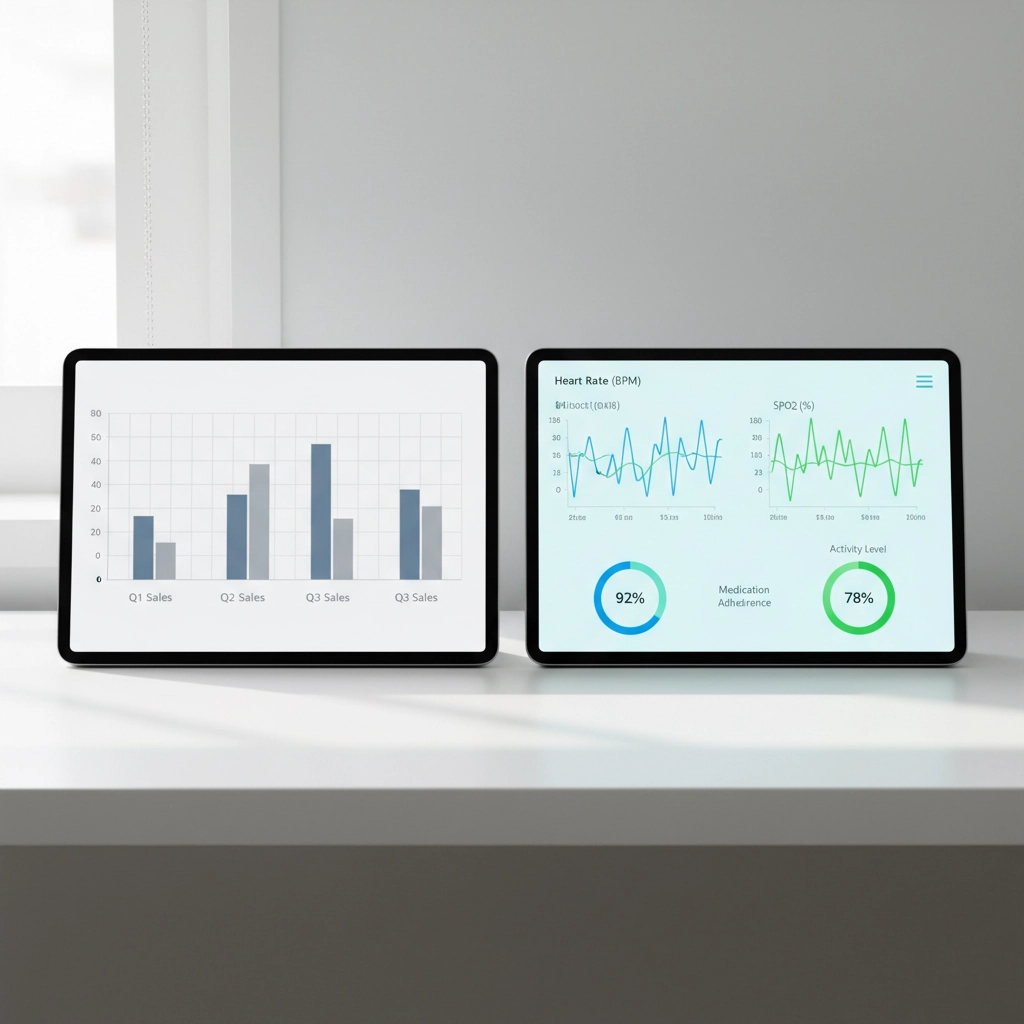
HIS Limitations That HOPE Addresses:
Limited to admission and discharge data points only
Retrospective chart abstraction after care was delivered
Process-focused measures (did you do the task?)
Nearly all hospices met requirements, making quality differentiation impossible
HOPE's Enhanced Approach:
Real-time clinical assessments throughout the patient stay
Multiple data collection timepoints
Outcome-focused measures (how well did the care work?)
Expanded domains including symptom impact assessment
The shift reflects CMS's strategic move from measuring whether hospices performed care processes to measuring how effectively those processes improved patient outcomes.
Understanding HOPE's Data Collection Framework
HOPE requires data submission at four distinct timepoints throughout each patient's hospice journey:
• Admission Assessment - Within 5 calendar days of admission • Update Visits - At specified intervals during the stay • Symptom Reassessment Visits (SRAs) - Mandatory within 2 calendar days when pain or non-pain symptom impact is moderate/severe • Discharge Assessment - At the end of the patient's stay
This expanded framework provides granular visibility into patient needs over time and supports more responsive care planning. Unlike HIS, which gave you snapshots at the beginning and end of care, HOPE creates a continuous picture of the patient's experience.

The Technology Challenge: From QIES to iQIES
The transition also meant moving from the familiar QIES submission platform to the new iQIES system. This wasn't just a cosmetic change: the new platform required different data formatting and submission processes.
Key Technical Considerations:
EHR integration timelines varied significantly between vendors
New data validation rules required workflow updates
Staff needed training on both HOPE content and iQIES submission processes
Most hospices found that working closely with their EHR providers during the transition period was critical for avoiding submission delays and compliance issues.
Staff Training: The Make-or-Break Factor
The most successful transitions shared one common element: comprehensive, hands-on staff training that started months before October 1st. Simply reviewing the CMS HOPE manual wasn't enough: clinical teams needed practice with actual workflows.
Essential Training Components:
Understanding new assessment timepoints and triggers
Hands-on practice with HOPE documentation in your EHR system
Mock assessments using real patient scenarios
Supervisor coaching and monitoring during initial weeks
Regular refresher training for ongoing compliance
Organizations that treated this as a checkbox exercise rather than a change management initiative often struggled with workflow inefficiencies and compliance gaps in the weeks following implementation.

Workflow Redesign: Beyond Documentation
HOPE didn't just change what you document: it changed when and how clinical care gets delivered. The introduction of mandatory Symptom Reassessment Visits created new scheduling requirements and care coordination challenges.
Critical Workflow Updates:
Care coordination processes for SRA visit scheduling
Communication protocols between interdisciplinary team members
Patient and family education about new visit requirements
Documentation workflows that capture real-time assessments
Quality assurance processes for data accuracy
The most challenging aspect for many hospices was the shift from retrospective to real-time documentation. Staff had to adapt to completing assessments during patient visits rather than after the fact.
Compliance Requirements: What You Need to Know Now
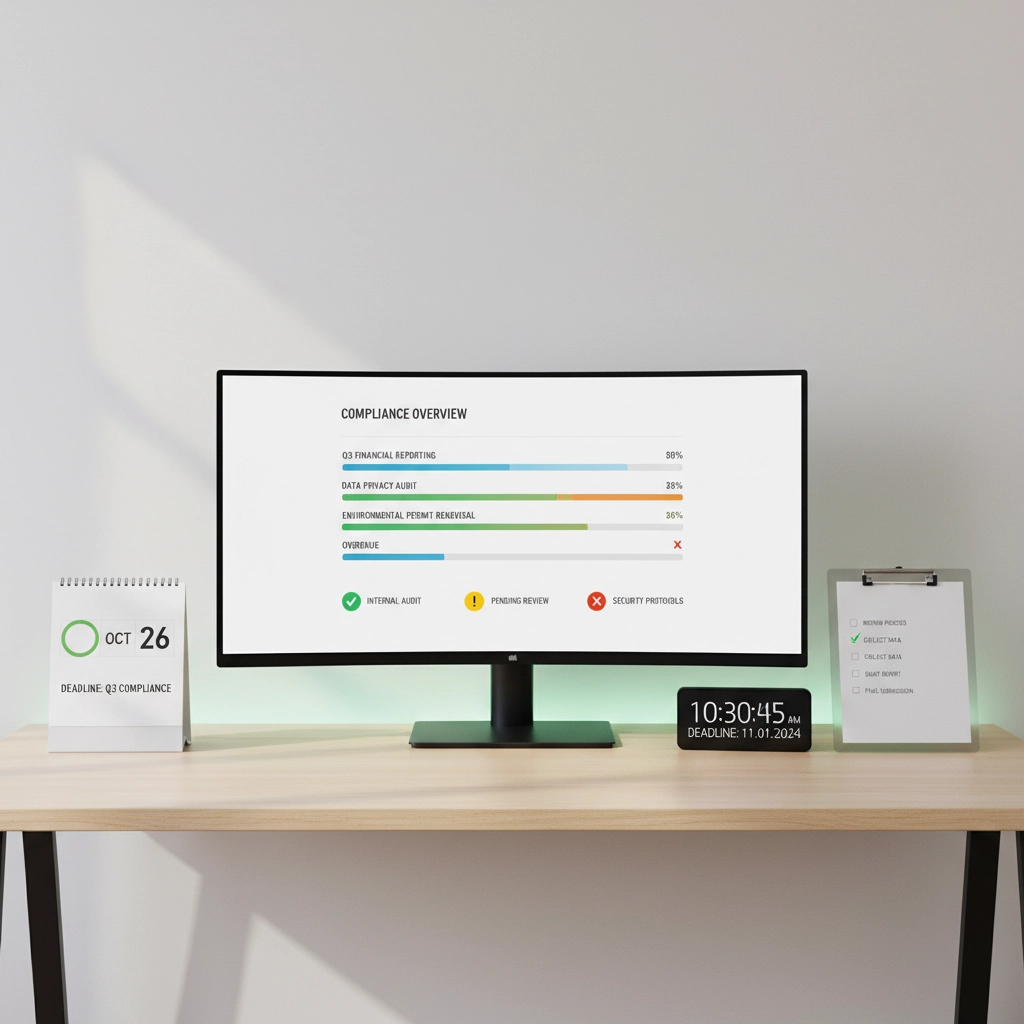
With the transition complete, understanding current compliance requirements is essential. HOPE data must be submitted within 30 days of the event or completion date: a timeline that's more stringent than HIS requirements.
Current Submission Requirements:
Data transmitted via iQIES platform only
30-day submission window from completion
Quality reporting impacts star ratings and potentially reimbursement
HOPE assessments complement but don't replace Condition of Participation requirements
It's important to note that HOPE doesn't eliminate other documentation requirements. Your hospice still needs to meet all existing Conditions of Participation for comprehensive assessments under § 418.54.
Maximizing HOPE for Quality Improvement
Beyond compliance, forward-thinking hospices are using HOPE data to drive genuine quality improvements. The tool's focus on outcome measures provides insights that weren't available under HIS.
Quality Improvement Opportunities:
Real-time identification of patients with symptom management challenges
Trending analysis of care effectiveness across patient populations
Benchmarking performance against national quality measures
Enhanced interdisciplinary team communication through structured assessments
The key is viewing HOPE as a clinical tool first and a compliance requirement second.
Moving Forward: Optimization Strategies
Whether your transition happened smoothly or you're still working through challenges, there are ongoing optimization opportunities:
Technology Enhancement:
Automated alerts for upcoming assessment due dates
Integration with care planning systems
Real-time reporting dashboards for quality metrics
Mobile-friendly documentation for point-of-care completion
Process Refinement:
Regular staff feedback sessions to identify workflow improvements
Quality assurance audits to ensure data accuracy
Patient satisfaction correlation analysis with HOPE outcomes
Continuous training programs for new staff
Your Next Steps
The transition to HOPE represented more than a regulatory requirement: it was an opportunity to enhance how your hospice measures and improves patient care quality. If you're still experiencing challenges with implementation or want to optimize your current processes, professional guidance can make a significant difference.
At ADR Prevention For You, we specialize in helping hospice agencies navigate complex compliance requirements while improving patient care outcomes. Our virtual consultation services can help you assess your current HOPE implementation and identify opportunities for improvement.
Don't let documentation challenges detract from your primary mission of providing compassionate end-of-life care. Schedule a consultation to discuss how we can help optimize your HOPE processes and ensure ongoing compliance success.
Comments